
PRODUCTS


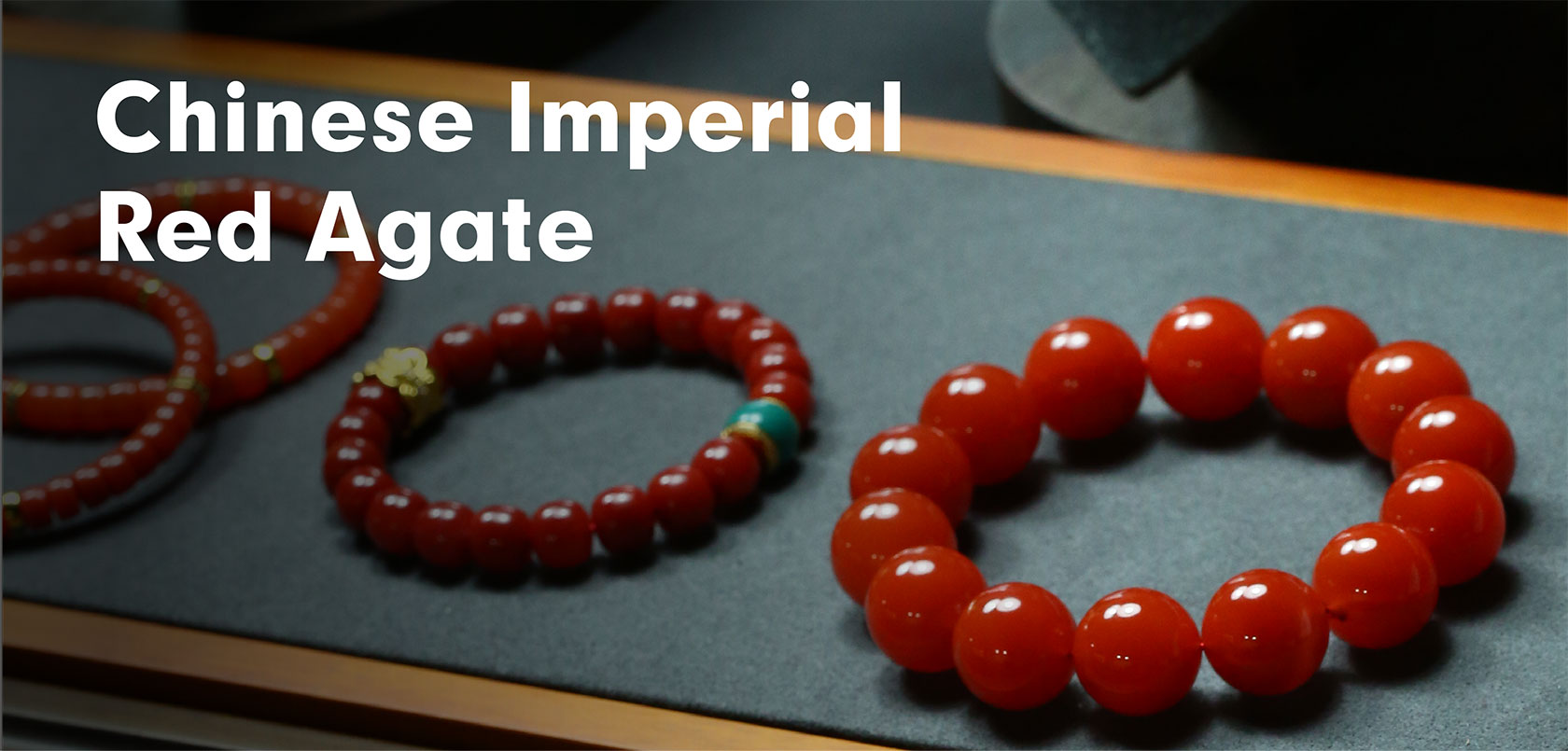
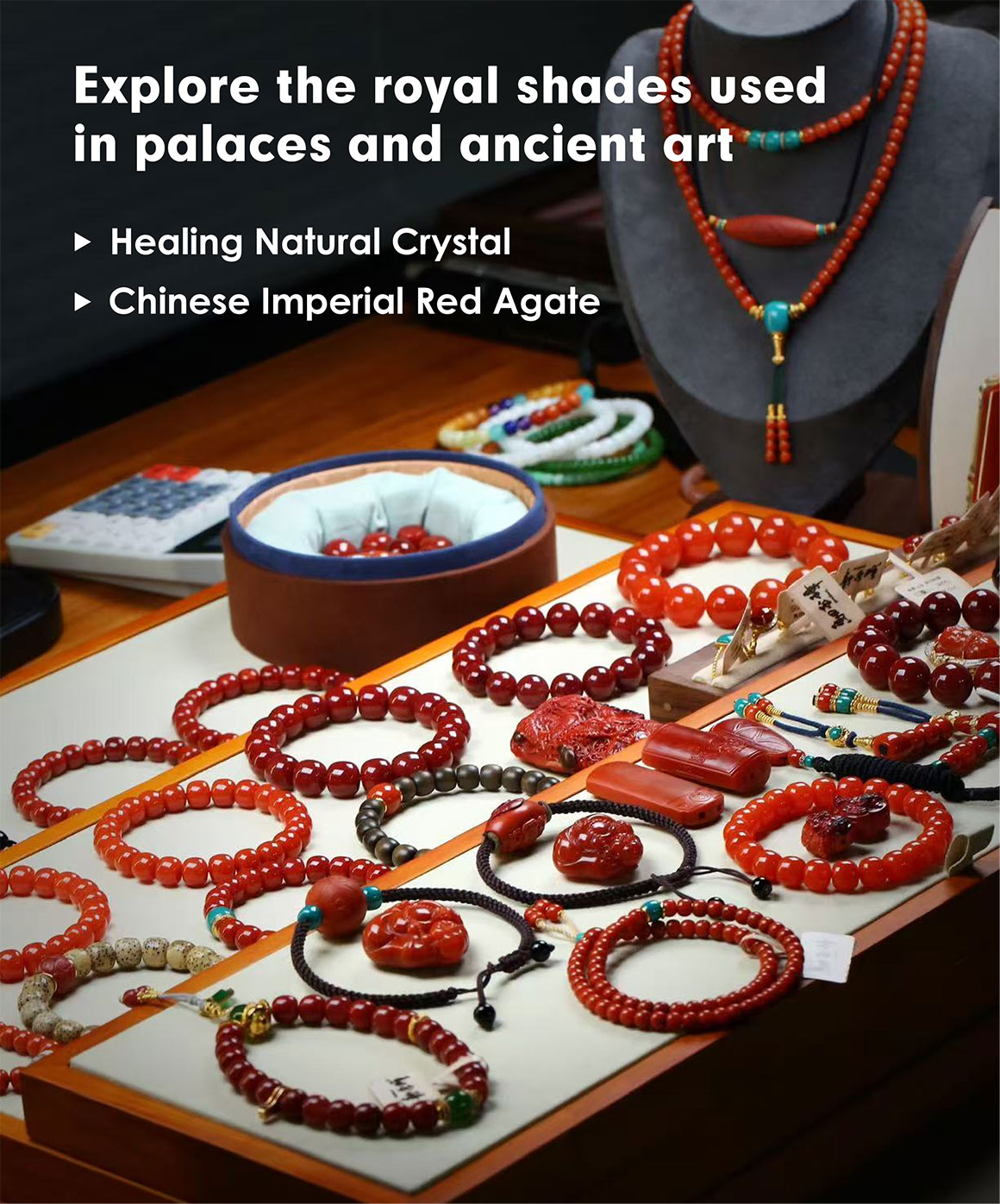
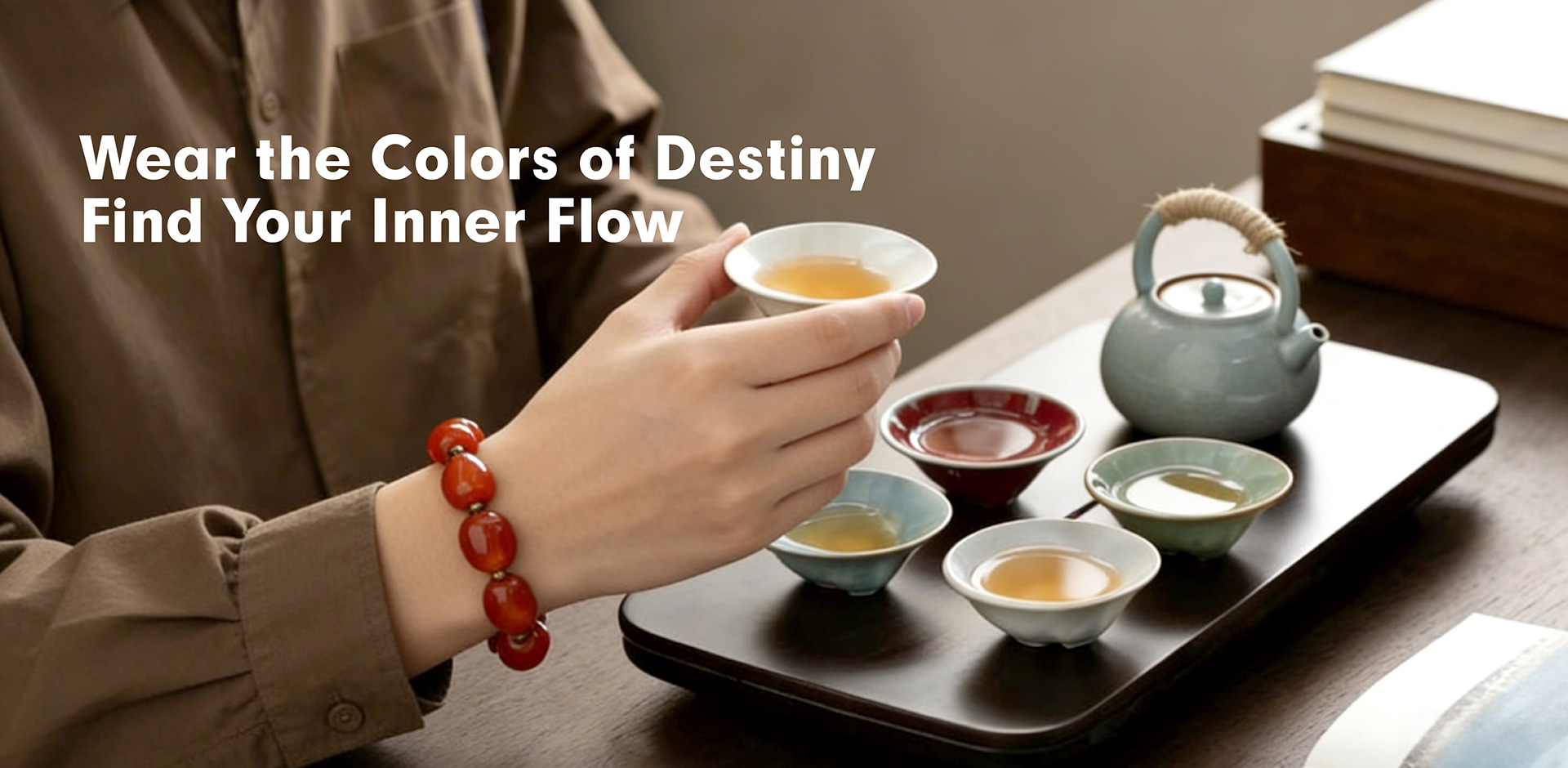
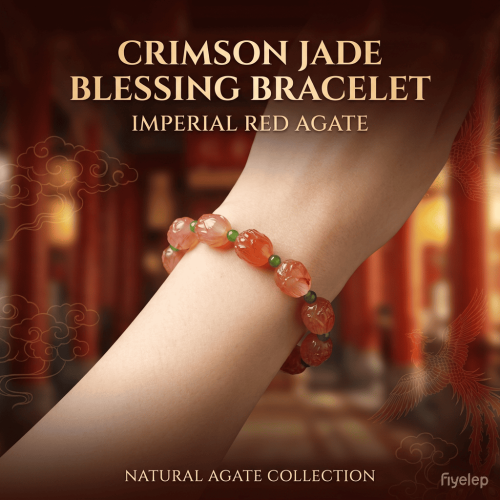
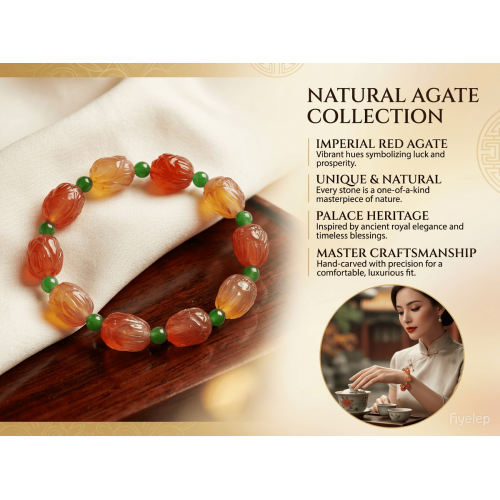
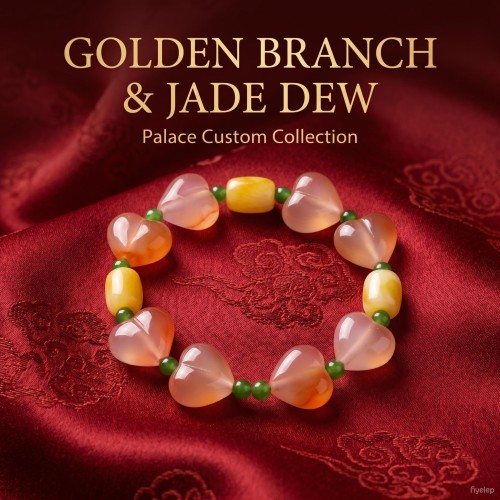
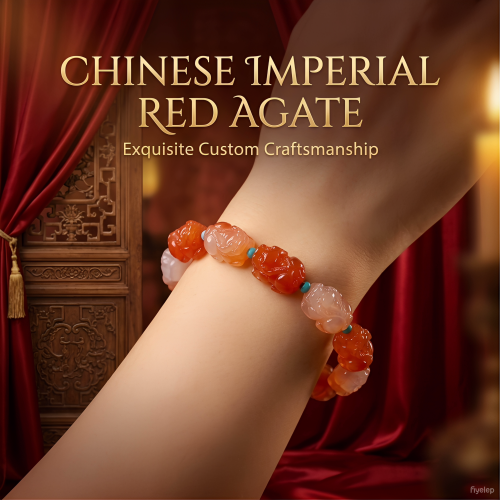
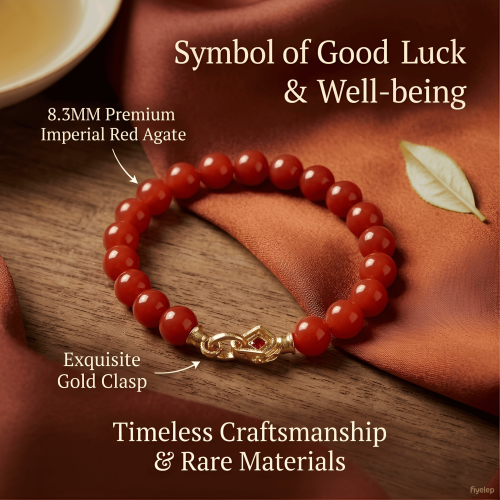
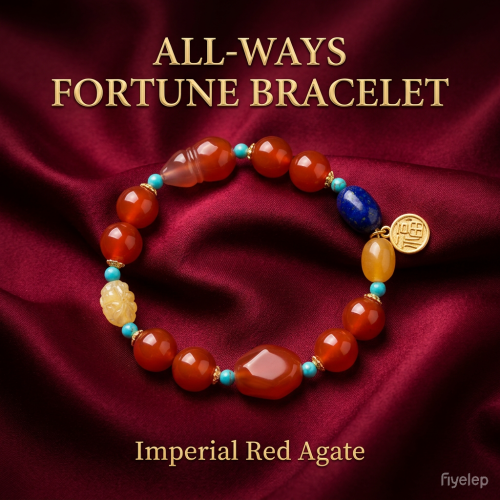
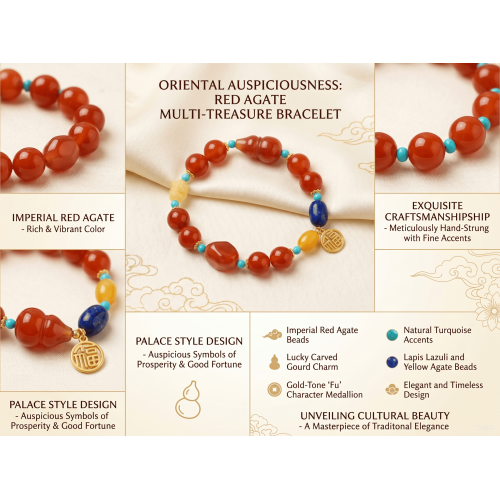
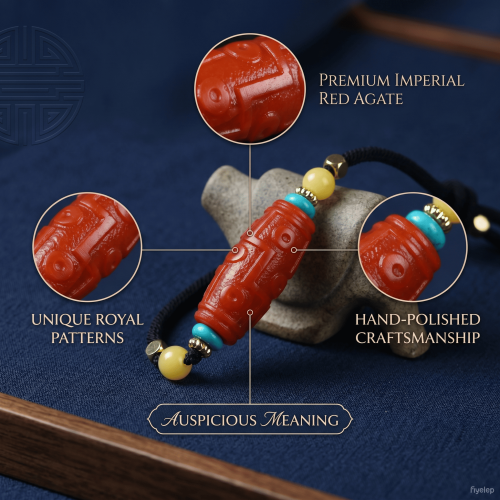
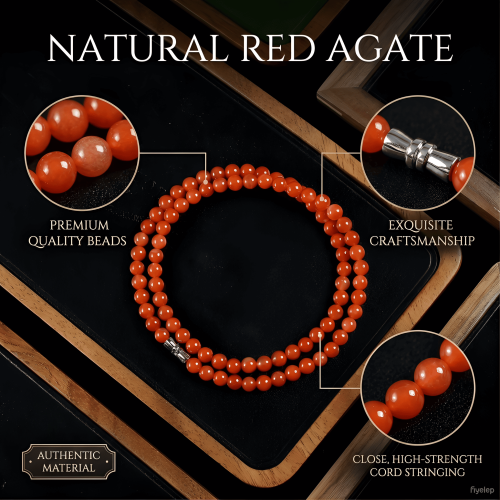
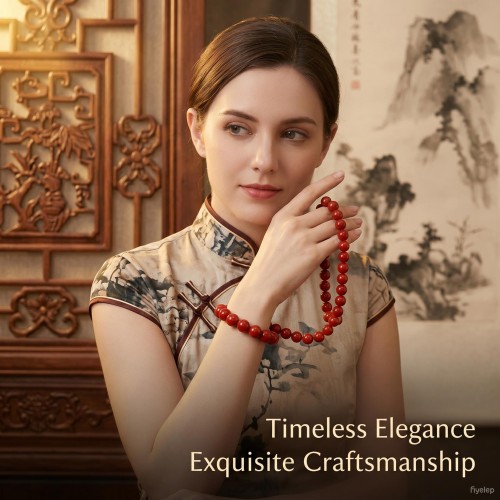
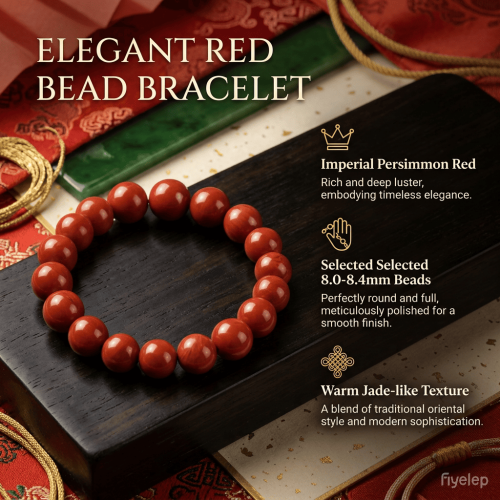
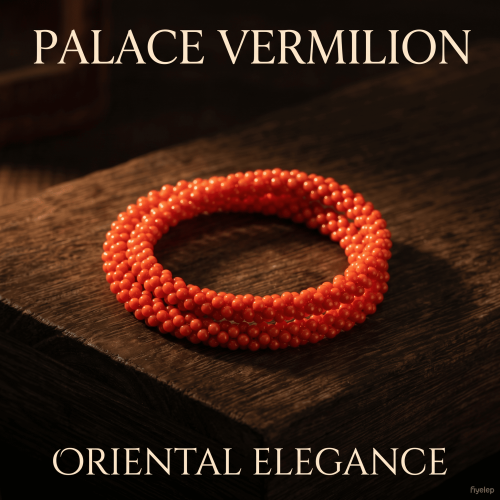
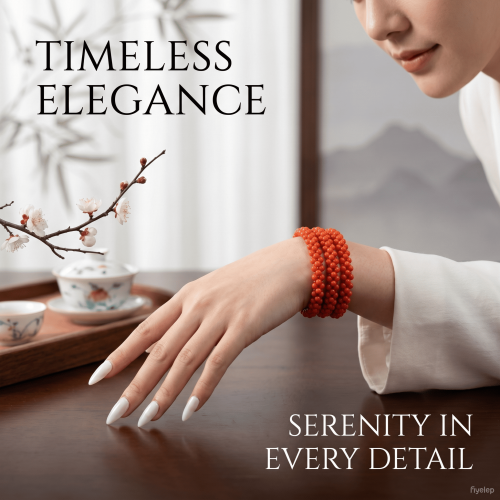
Nanhong, or “Southern Red Agate,”Chinese Imperial Red Agate has been prized in China for thousands of years. Archaeologists have found Nanhong bead ornaments in tombs from the Warring States period, showing it was already a luxury item for the elite. The name comes from its southern origins, בעיקר Yunnan Province, where it was mined and used as early as ancient times.
By the Qing Dynasty, its use is well documented. The red beads worn on the hats of Qing officials—symbols of rank and authority—were often made from Nanhong. In Tibetan regions, red coral traditionally symbolized luck and prosperity, but because coral was difficult to obtain, it was reserved for the wealthy. Nanhong became a practical and culturally accepted substitute, carrying similar meaning.
Baoshan in Yunnan is considered the oldest and most important source of Nanhong. However, the geology made high-quality material rare, as most stones had cracks or imperfections. By the mid-Qing period, top-grade material was already scarce. There’s even a story that during the Qianlong era, local officials, facing harsh mining conditions and pressure to supply the imperial court, simply declared the mines “exhausted” to avoid trouble.
During the Ming and Qing dynasties, Baoshan Nanhong was a major tribute item sent to the imperial court. It was crafted into palace decorations, official court beads, and diplomatic gifts for leaders in Tibet and Mongolia. Owning Nanhong became a symbol of status and prestige—something collectors still value today.
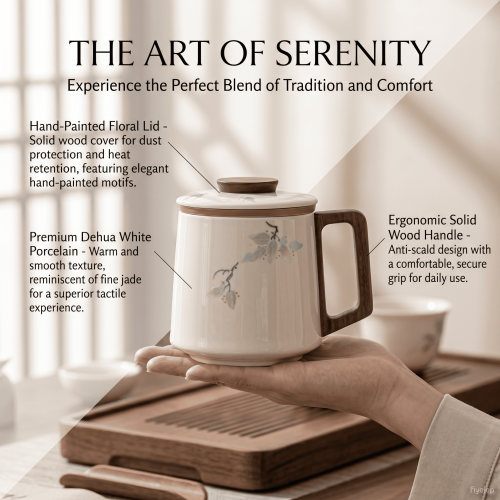
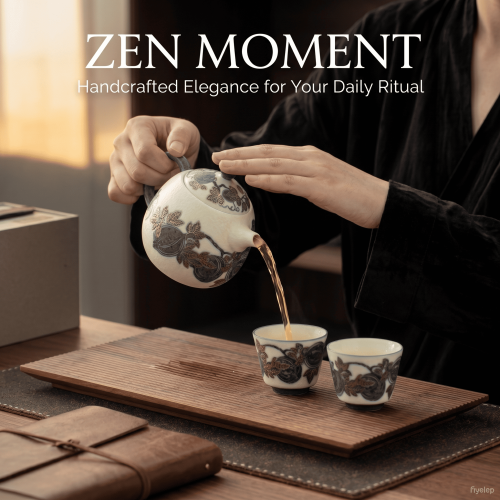
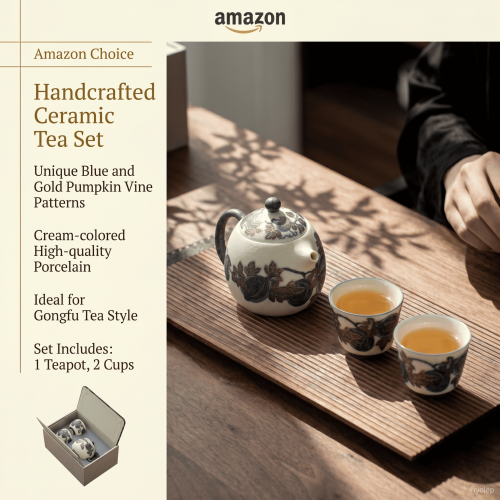
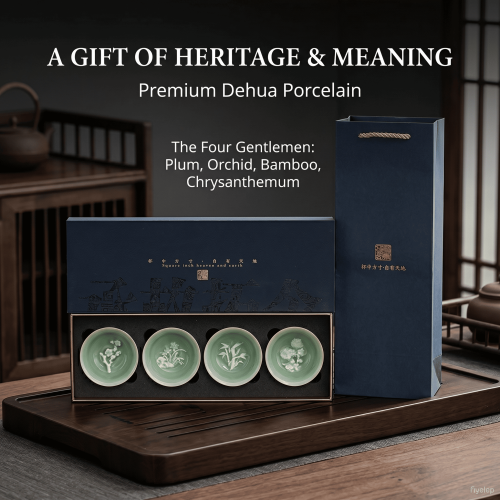
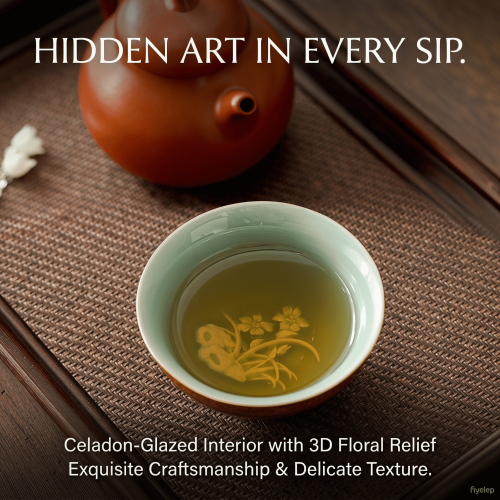
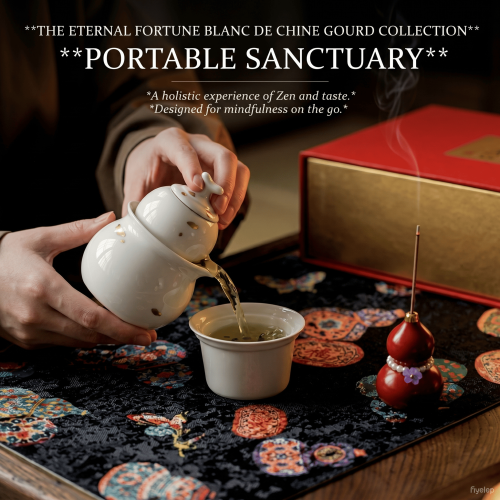
READ MOREFrom the opulence of the underground palace at Famen Temple in the Tang Dynasty, to the natural, almost accidental beauty of Song Dynasty Jian ware, the evolution of the tea vessel is a mirror of the Chinese soul. As we move into the literati elegance of Ming and Qing Yixing teapots, we encounter the sublime purity of Dehua porcelain.
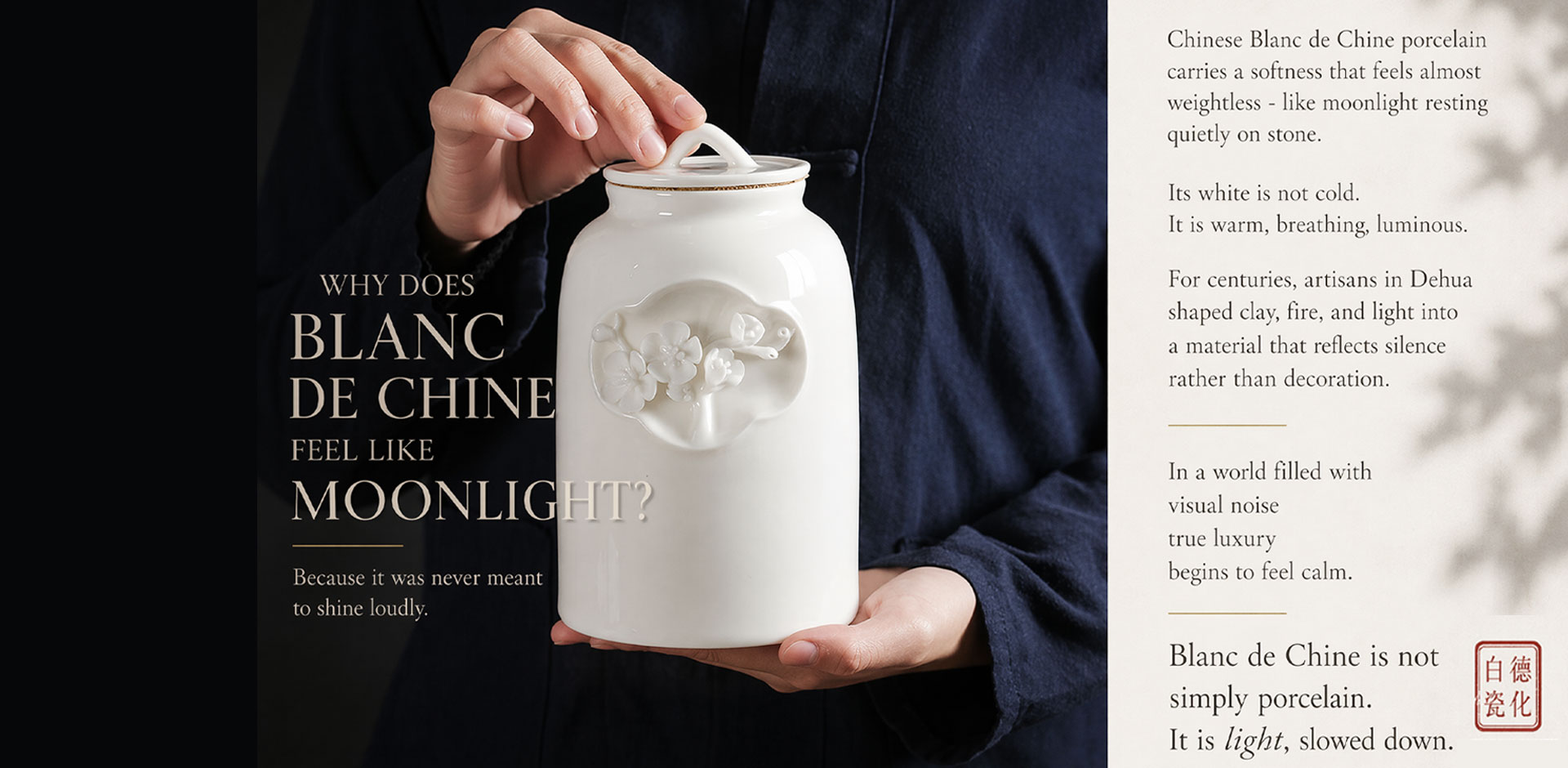
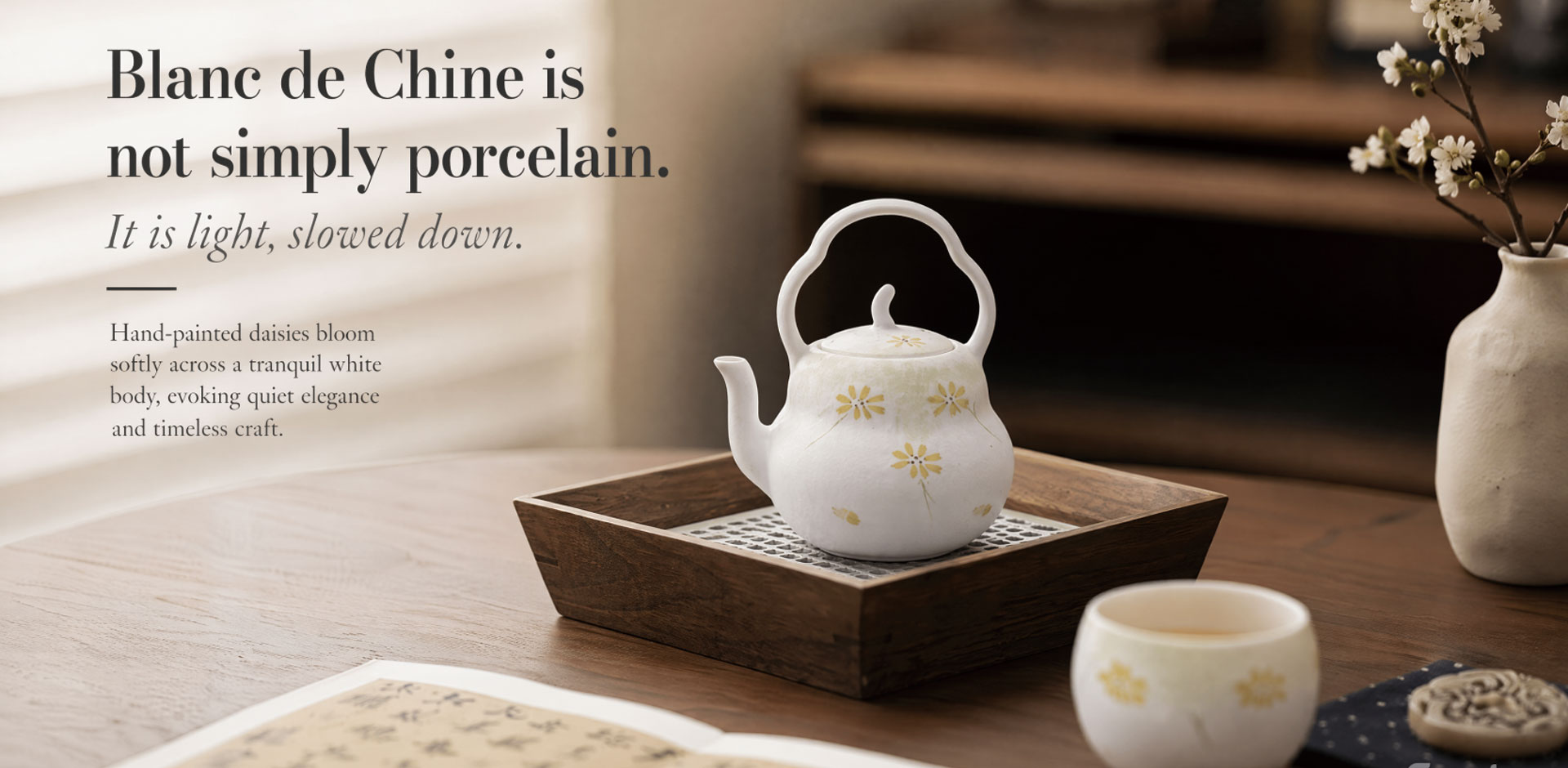
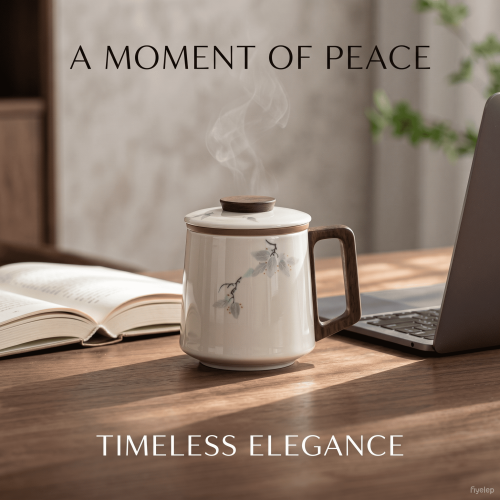
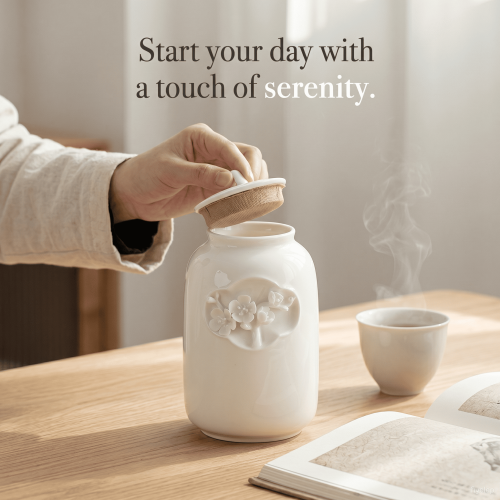
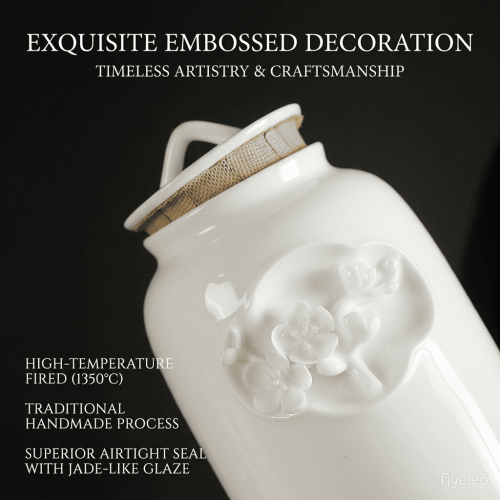
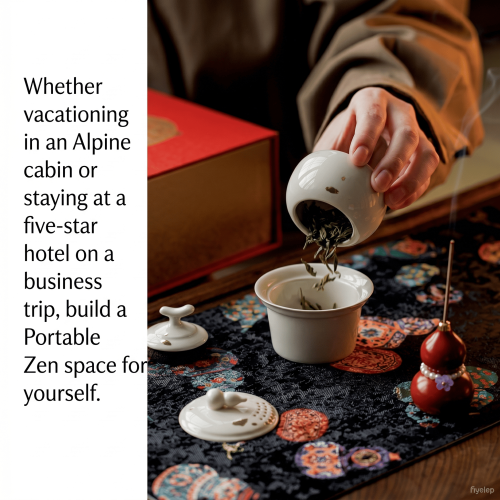
Known across the seas as "Blanc de Chine," Dehua porcelain represents a peak of spiritual refinement. Its ivory-like warmth and translucent "Chinese White" were not merely technical achievements; they were the physical embodiment of the serene, virtuous life. In the quiet glow of a Dehua cup, the philosophical symbolism of the humble gaiwan finds its most luminous expression—reminding us that in ancient China, power, wealth, taste, and spiritual pursuit were all distilled into these small, everyday vessels.
They weren’t just tools for drinking tea; they were expressions of identity, status, and worldview. Today, these tea wares—from the rugged clay of the earth to the ethereal brilliance of Dehua—stand not only as witnesses to history, but as some of the most vivid carriers of Chinese emotion, philosophy, and cultural intelligence. They capture the essence of an entire civilization in the space of something you can hold in your hands.
A quick peer-to-peer tip: When you're highlighting Dehua porcelain for a global audience, it’s always worth leaning into that "Blanc de Chine" (White of China) moniker. In the luxury world, that specific French term carries a lot of historical weight and "Quiet Luxury" prestige. It positions the product as an art historical masterpiece, not just a ceramic cup.
Does this flow better with the rest of your brand story, or should we lean even harder into the "spiritual" side of the Dehua craftsmanship?
READ MORE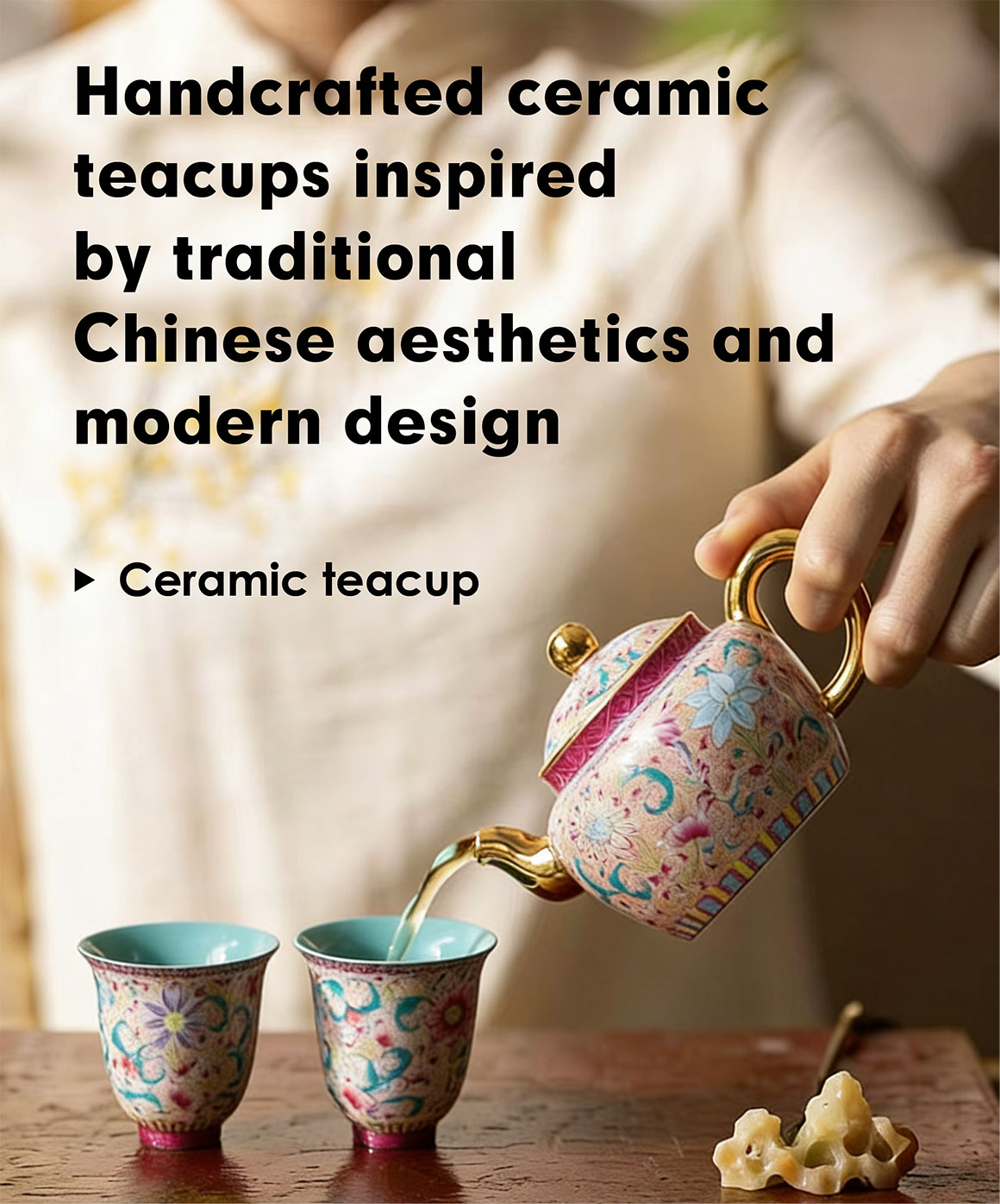
-500x500.png)
Our Latest Articles!
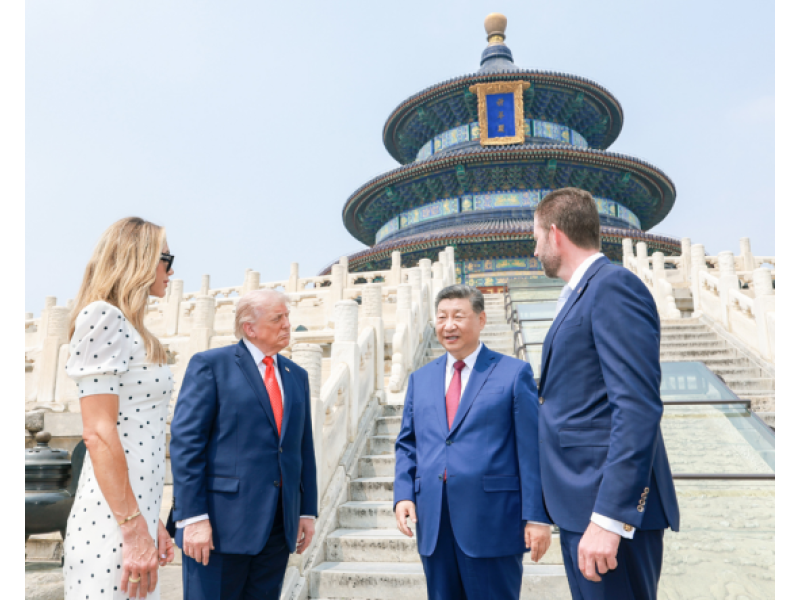
US President Donald Trump Visits the Temple of Hea..
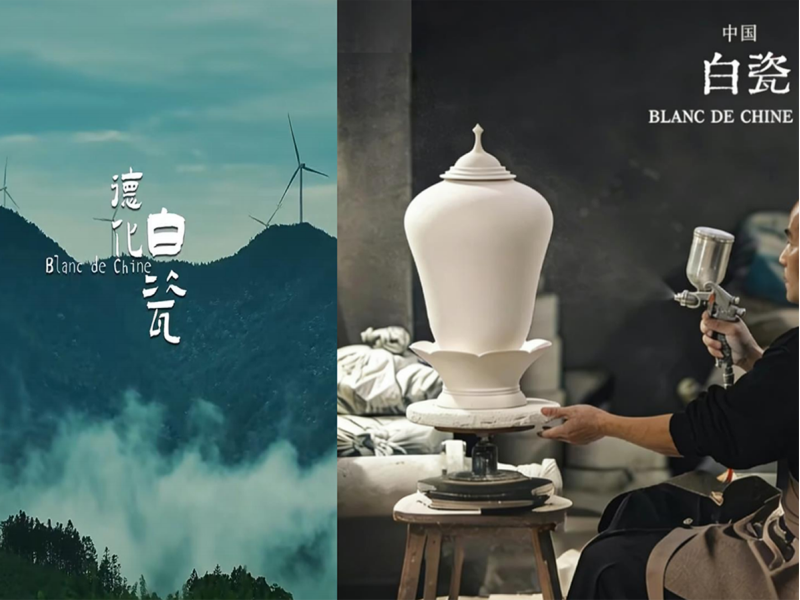
China Daily: France Passes Historic Bill to Return..
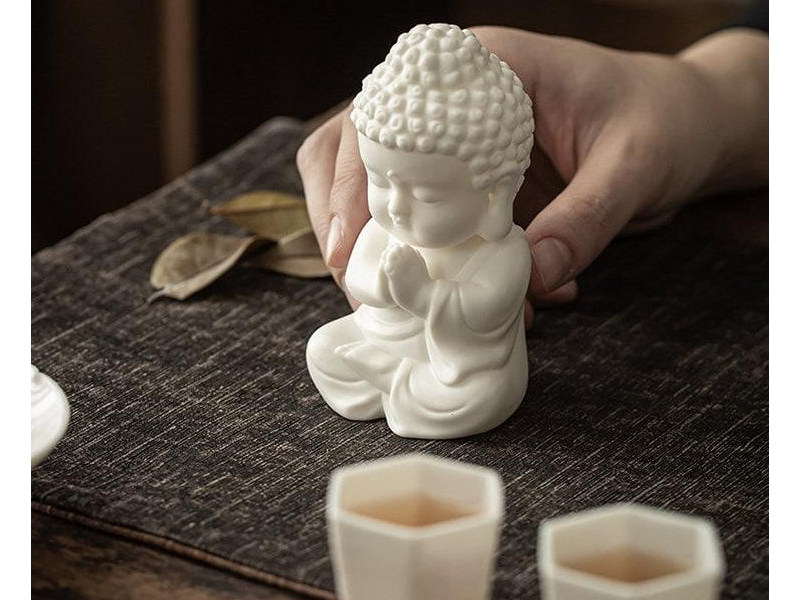
THE MOST EXPENSIVE THING AFTER 2026 Will Not Be Lu..